Key Takeaways
- Ensure equipment is well-maintained to handle strong currents and unexpected wildlife interactions.
- Maintain a safe distance from mating marine life to avoid disrupting natural behaviors.
- Always dive with a buddy to enhance safety and manage potential emergencies effectively.
- Stay informed about local guidelines and conditions to ensure a safe diving experience.
Ensuring your safety while diving in Komodo’s southern sites during mating season involves understanding the local marine life, being aware of seasonal changes, and adhering to diving protocols. These safety tips will help you navigate these lively waters with confidence, making your diving experience both enjoyable and secure.
Understand the Marine Life Behavior
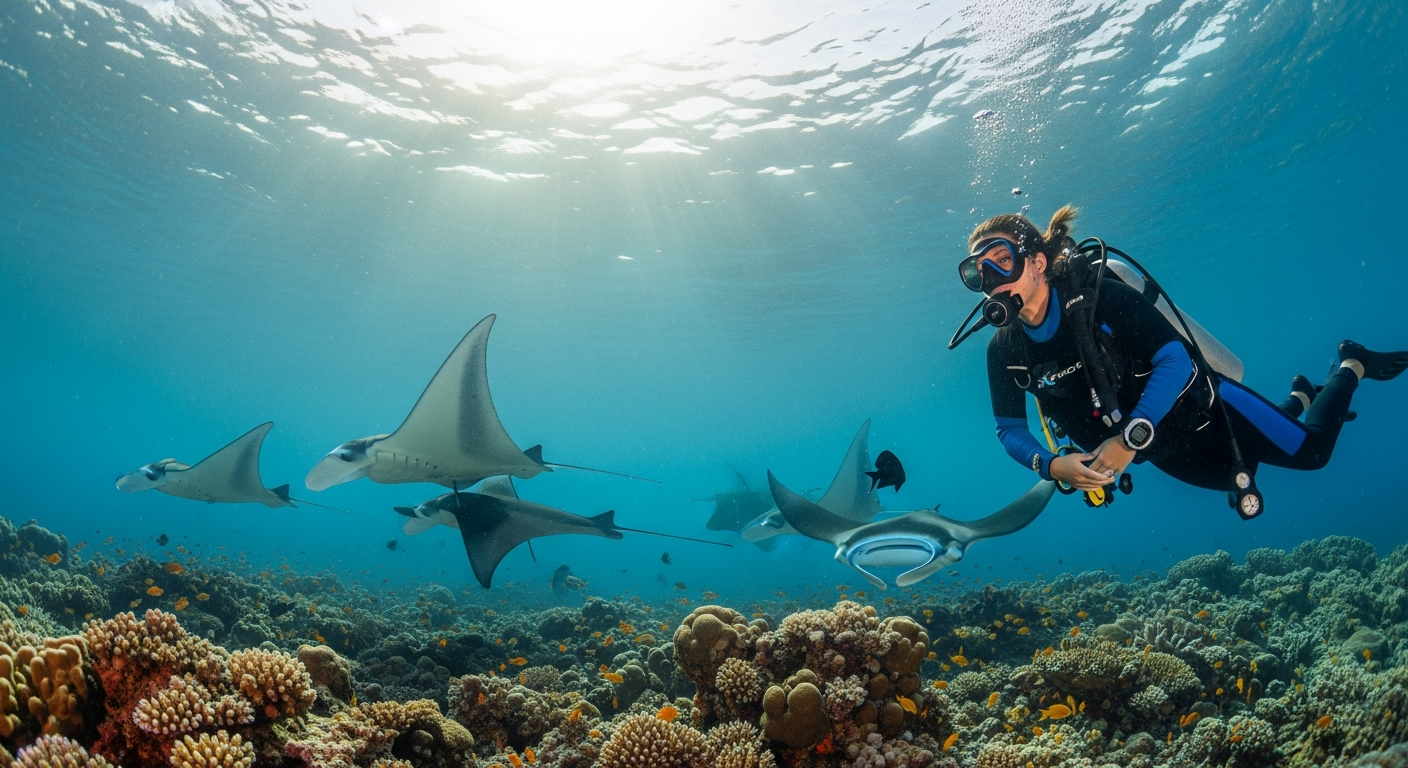
During mating season, the behavior of marine life in Komodo’s southern waters can change significantly. Many species become more active and territorial as they engage in courtship and mating activities. Understanding these behavioral changes is crucial for safety. For instance, mantas and sharks may display more aggressive behavior during this period. Recognizing these behaviors can help divers avoid potential confrontations.
It is also important to remember that the increased activity may lead to more lively displays of marine life, but it also requires heightened awareness. Observing from a safe distance ensures that you do not inadvertently disrupt these natural processes. This distance also reduces the risk of accidental encounters with marine creatures that may feel threatened during this sensitive time.
Moreover, different species might have unique behavioral cues indicating stress or aggression. Familiarizing yourself with these cues allows for a more respectful and safe interaction with the marine environment. This knowledge not only adds to your safety but also enhances the overall diving experience by allowing you to witness these remarkable behaviors without interference.
Be Aware of Seasonal Weather Patterns
The southern sites of Komodo are known for their specific weather patterns, which can become more unpredictable during mating season. Stronger currents and changes in water temperature are common, impacting visibility and diving conditions. Therefore, divers should always verify the local weather forecast and sea conditions before setting out.
Understanding the seasonal impacts on water conditions also aids in planning your dive sessions. Mornings might offer calmer waters, while afternoons could bring about stronger currents. Adapting your schedule according to these patterns will enhance safety and ensure a more controlled diving experience.
Furthermore, being prepared for sudden changes in weather can make a significant difference. Packing additional gear such as windbreakers or extra dive weights can help adjust to unexpected conditions. Having updated weather apps or devices is also prudent, ensuring real-time data guides your dive planning for maximum safety.
Use Appropriate Diving Gear
Using the right diving gear can significantly affect the safety and enjoyment of your diving experience, especially during mating season. A quality wetsuit that suits the water temperature is essential, as is reliable diving equipment that can handle the stronger currents often present during this time.
Additionally, consider using gear that aids in buoyancy and maneuverability. Given the active marine life and potentially challenging conditions, being able to control your movements precisely is crucial. Regular checks and maintenance of your diving gear before each dive ensure that all equipment functions optimally, reducing the risk of malfunctions underwater.
Investing in gear with advanced features, such as dive computers that offer detailed analytics, can enhance your dive safety. These tools help monitor depth, dive time, and decompression status, allowing divers to make informed decisions underwater. Also, keeping a spare mask and snorkel can be a lifesaver if you encounter equipment issues during a dive.
Dive with an Experienced Guide
Having an experienced diving guide familiar with Komodo’s southern sites is invaluable, particularly during the mating season. A seasoned guide not only knows the best spots for observing marine life but can also navigate the local waters safely, avoiding potentially hazardous areas.
Guides provide insights into the behaviors of the marine species during this period, enhancing your understanding and appreciation of the underwater ecosystem. They also assist in emergency situations, offering an additional layer of safety. Choosing a reputable diving operator with knowledgeable guides is a wise decision for a secure diving adventure.
Furthermore, guides often share hidden gems of knowledge about local marine life and environmental conservation efforts. Their expertise can illuminate aspects of the underwater world you might otherwise miss, enriching your dive with unique educational experiences. This collaboration not only makes for a safer dive but also fosters a deeper connection to the marine habitat.
Respect the Natural Environment
Preserving the natural environment is a key component of safe and responsible diving, particularly during sensitive periods like mating season. Divers should refrain from touching or disturbing marine life and avoid disrupting the seabed. These actions not only ensure personal safety but also protect the ecosystem.
Maintaining neutral buoyancy helps minimize contact with the environment, preventing damage to coral reefs and other underwater structures. Educating oneself about the ecological importance of these sites fosters a deeper commitment to conservation and responsible diving practices.
Respecting marine sanctuaries’ guidelines and adhering to designated dive paths minimize environmental impact. Supporting local conservation efforts financially or through volunteer work can further contribute to preserving these ecosystems for future generations. This shared responsibility enhances both the safety and sustainability of diving activities.
Plan Your Dive and Stick to the Plan
A well-structured dive plan is essential for safety, especially during dynamic periods like mating season. This includes setting a clear entry and exit strategy, knowing your depth and time limits, and having contingency plans in place for unexpected situations.
Communicate your dive plan clearly with your diving partner and guide, ensuring everyone is aware of the objectives and safety protocols. Sticking to your plan helps avoid unnecessary risks and ensures a cohesive and safe diving experience. Regularly monitoring your air supply and dive metrics also contributes to a secure and enjoyable dive.
Reviewing emergency procedures and having a reliable communication method, like an underwater signaling device, can be critical in unforeseen circumstances. Preparing mentally and physically for your dive, including pre-dive visualization techniques, can significantly boost your confidence and readiness for a safe and successful dive session.
Stay Physically and Mentally Prepared
Diving is a physically demanding activity, and entering the underwater world requires both physical fitness and mental preparedness. Regular exercise and a healthy lifestyle contribute to your ability to handle the physicality of diving, while mental preparation helps manage unexpected challenges.
Practicing relaxation techniques such as controlled breathing or meditation can enhance your ability to remain calm and composed underwater, particularly during mating season when marine life behavior is more dynamic. Staying hydrated and well-nourished also ensures that your body and mind are in optimal condition for diving.
Additionally, taking part in dive refresher courses or specialized training can improve your skills and confidence. These courses often cover essential techniques and safety protocols, ensuring you are well-prepared for various diving scenarios. This proactive approach bolsters your ability to enjoy the dive safely and thoroughly.
FAQs
Q? Is diving during mating season safe in Komodo’s southern sites?
A. While it can be safe, it is crucial to be aware of the increased activity of marine life and the changing water conditions. Proper planning and adherence to safety tips enhance the safety of your diving experience.
Q? What should I do if I encounter aggressive marine life?
A. If you encounter aggressive behavior from marine life, remain calm and slowly retreat to a safe distance. Avoid sudden movements and give the animal space to feel unthreatened.
Q? Why is it important to dive with a local guide during mating season?
A. Local guides possess extensive knowledge of the marine environment and seasonal behaviors of marine life. They can navigate the waters safely and provide insights that enhance both your safety and your overall diving experience.
For wider arrangements, our partner komodoboatcharter can coordinate end to end.
Planning something bigger across Indonesia? For end-to-end service see labuanbajoluxury.
Explore all morotaidiving.com options and plan your trip.
See also: Cost of a Komodo Day Trip Boat Tour in 2027: $80–$200 Per Person Breakdown, What to Pack for a Komodo Island Trip: Essential Gear List for Diving and Trekking.
Leave a Reply