Key Takeaways
- Komodo is diveable year-round, with varying conditions depending on the season and location.
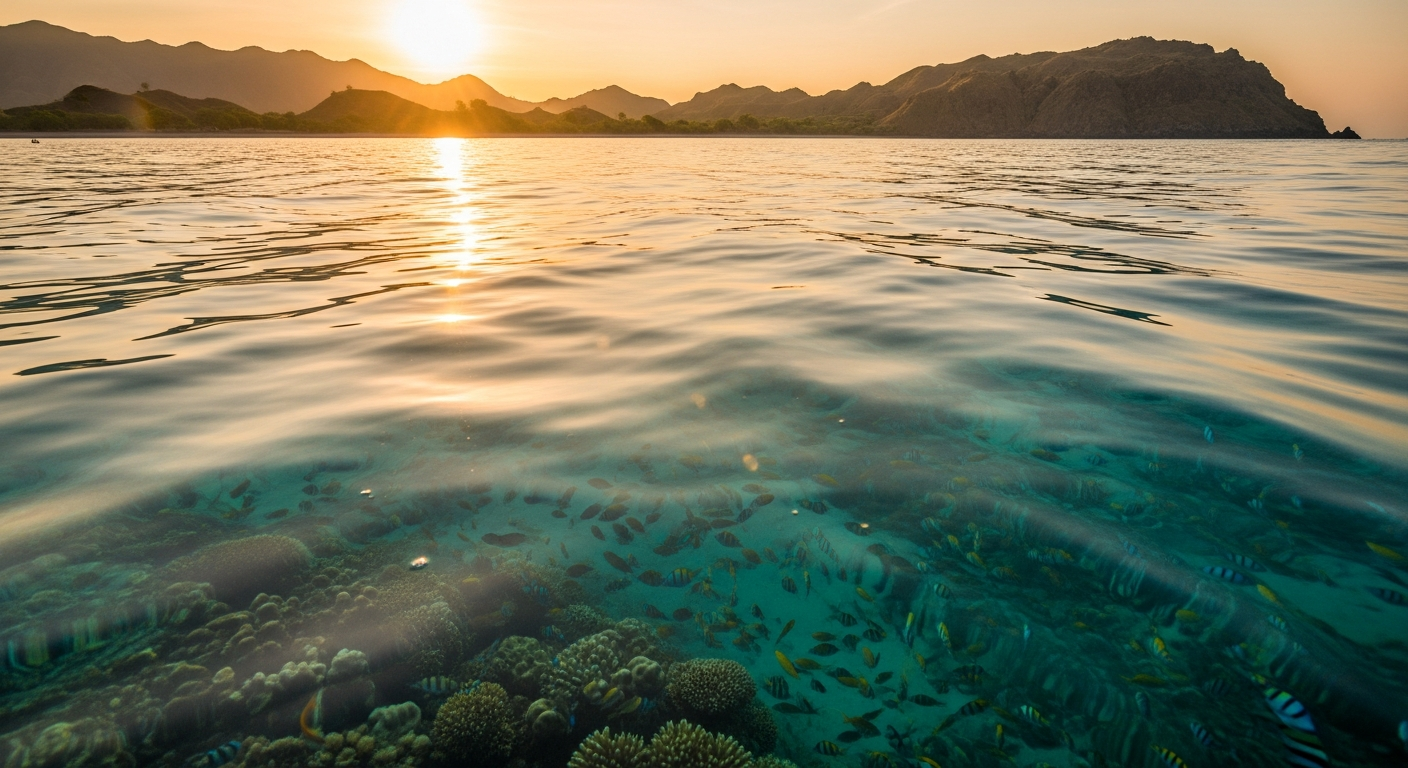
- Visibility in Komodo can reach up to 30 meters, offering breathtaking underwater views.
- Currents in Komodo range from mild to strong, ideal for drift diving enthusiasts.
- Seasonal changes affect water temperature and marine life encounters in Komodo’s diverse underwater ecosystem.
Komodo, part of Indonesia’s famed archipelago, offers diving opportunities throughout the year. However, divers must consider seasonal changes affecting visibility and currents. Each season brings unique underwater conditions, so understanding these can help enhance the diving experience. Below, we delve into what divers should know when planning a dive trip to Komodo.
Year-Round Diving Opportunities
Komodo National Park, a UNESCO World Heritage site, is renowned for its diverse marine life and lively coral reefs. Divers can explore these waters year-round, although conditions vary with the seasons. The consistent tropical climate ensures that water temperatures remain inviting, typically ranging between 27°C to 30°C (80°F to 86°F), making it suitable for diving at any time of the year.
The park’s location near the equator results in relatively stable weather patterns, but divers should be aware of the monsoon seasons, which can influence diving conditions. These seasons affect water clarity and sea conditions, so planning your dive trip according to the season is advisable for optimal experiences. The dry season brings sunny days and calm waters, while the wet season’s rains can stir up nutrient-rich waters, enhancing marine biodiversity.
Visibility in Komodo Waters
Visibility in Komodo can vary significantly depending on the time of year. During the dry season, which spans from April to November, divers generally enjoy the best visibility, often reaching up to 30 meters (98 feet). This is a prime time to explore the park’s underwater landscapes, as the clearer waters offer spectacular views of the lively coral and abundant marine life.
Conversely, the wet season, from December to March, can bring reduced visibility due to increased plankton in the water. While this might obscure views slightly, the influx of plankton attracts larger species, such as manta rays, making for thrilling encounters. Divers interested in spotting these grand creatures may prefer this time despite the lower visibility. Additionally, the nutrient-rich conditions create a busy environment where marine interactions are more dynamic and exciting.
Understanding Currents in Komodo
The currents in Komodo are influenced by tides and can be quite strong, presenting both challenges and opportunities for divers. Known for its drift diving, Komodo offers exhilarating experiences as divers glide over reefs with the current. However, these currents can be unpredictable, varying in strength and direction within short periods.
It is advisable for less experienced divers to consult with local dive operators who can guide them to suitable sites based on current conditions. Experienced divers often seek out the stronger currents for a more dynamic dive experience, but safety should always be the top priority. Understanding and respecting the power of the ocean currents in Komodo is essential for a safe and enjoyable dive. Strong currents can bring nutrient-rich waters that support a vast array of marine life, but divers must remain vigilant and informed.
Seasonal Tips for Diving in Komodo
To make the most out of a diving trip to Komodo, consider the seasonal variations in both marine life and environmental conditions. The dry season is ideal for those seeking clear waters and calm seas, with less rainfall and more predictable weather. This season is particularly favorable for underwater photographers due to the high visibility.
During the wet season, divers should prepare for potential downpours and slightly rougher seas. However, this is also the time when the marine ecosystem thrives with an abundance of life, thanks to the nutrient-rich waters brought in by the rains. Manta rays, in particular, are more frequently sighted, making it an exciting time for marine enthusiasts despite the challenges posed by weather conditions. Divers are encouraged to embrace the unpredictability of the wet season, which often results in remarkable and memorable wildlife encounters.
Marine Life Diversity
Komodo is home to a remarkable array of marine species, with over 1,000 species of fish and 260 species of coral. The park’s location in the Coral Triangle contributes to its rich biodiversity, making it a top choice for divers worldwide. From lively schools of tropical fish to larger pelagics like sharks and rays, Komodo offers encounters with marine life that few other dive destinations can match.
Divers should also be on the lookout for unique critters such as the pygmy seahorse, frogfish, and nudibranchs hiding among the coral gardens. These smaller creatures offer a different kind of fascination, showcasing the intricate details of marine biodiversity in Komodo. The lively coral reefs of Komodo serve as a living canvas where divers can witness the dynamic interactions of marine species amidst a kaleidoscope of colors.
Environmental and Safety Considerations
When diving in Komodo, it’s important to adhere to environmental guidelines to preserve the park’s delicate ecosystems. Divers are encouraged to practice responsible diving by maintaining buoyancy control and avoiding contact with marine life and coral structures. This helps protect the fragile underwater environment for future generations.
Safety is paramount, and divers should ensure that they are adequately trained and equipped for the conditions in Komodo. Utilizing the services of reputable dive operators with knowledgeable guides can enhance both safety and enjoyment. Always stay informed about current conditions and heed advice from local experts when planning dives. The commitment to sustainable diving practices ensures that Komodo remains a notable and cherished dive destination for years to come.
Planning Your Dive Itinerary
Organizing a dive trip to Komodo requires careful planning to maximize the experience. Divers should consider the variety of dive sites available, each offering unique features and challenges. From the lively Batu Bolong to the thrilling currents of Castle Rock, selecting the right dive sites can greatly enhance your adventure.
Accommodations and transport arrangements are also crucial aspects of planning. Some divers opt for liveaboard experiences, which provide access to remote sites and allow for extended exploration of the park. Others might choose to stay on nearby islands, offering opportunities to unwind and connect with local culture after a day of diving. Regardless of the choice, a well-structured itinerary ensures a memorable and fulfilling diving experience in the enchanting waters of Komodo.
FAQs
Q? Can beginners dive in Komodo year-round? A: Yes, beginners can dive in Komodo throughout the year. However, they should be cautious of strong currents and choose dive sites suitable for their experience level. Consulting with local dive operators can help identify areas that offer safer conditions for novice divers.
Q? What is the best time to see manta rays in Komodo? A: The best time to see manta rays in Komodo is during the wet season, from December to March. Increased plankton levels during this period attract these graceful creatures to the nutrient-rich waters, providing memorable encounters for divers.
Q? Are there any specific dive certifications required for Komodo? A: While no specific certifications are required to dive in Komodo, having an advanced open water certification or equivalent is recommended due to the challenging conditions. Divers should be comfortable with drift diving and managing currents for a safe experience.
For wider arrangements, our partner komodoboatcharter can coordinate end to end.
Planning something bigger across Indonesia? Plan wider itineraries with baliairporttransfer.
Explore all morotaidiving.com options and plan your trip.
See also: When Is the Quietest Time to Visit Komodo for No Crowds? May, June, September Guide, How to Spot Komodo Dragons in 2027: Best Months (July–August) and Hidden Trails.
Related reading: planning a two-region dive year from North Maluku to Komodo.
Leave a Reply